The Tea That Changed Everything
When you taste authentic masala chai, you're experiencing the bold, malty flavour of Assam tea — a variety so distinctive that it single-handedly transformed chai into the global phenomenon we know today.
The Perfect Growing Conditions
Assam tea grows in northeastern India's Brahmaputra River valley — one of the world's largest tea-growing regions. Fertile alluvial soil, intense sunlight, and high humidity produce leaves with robust, malty flavour and higher caffeine levels than most other tea varieties.
Why Other Teas Don't Work
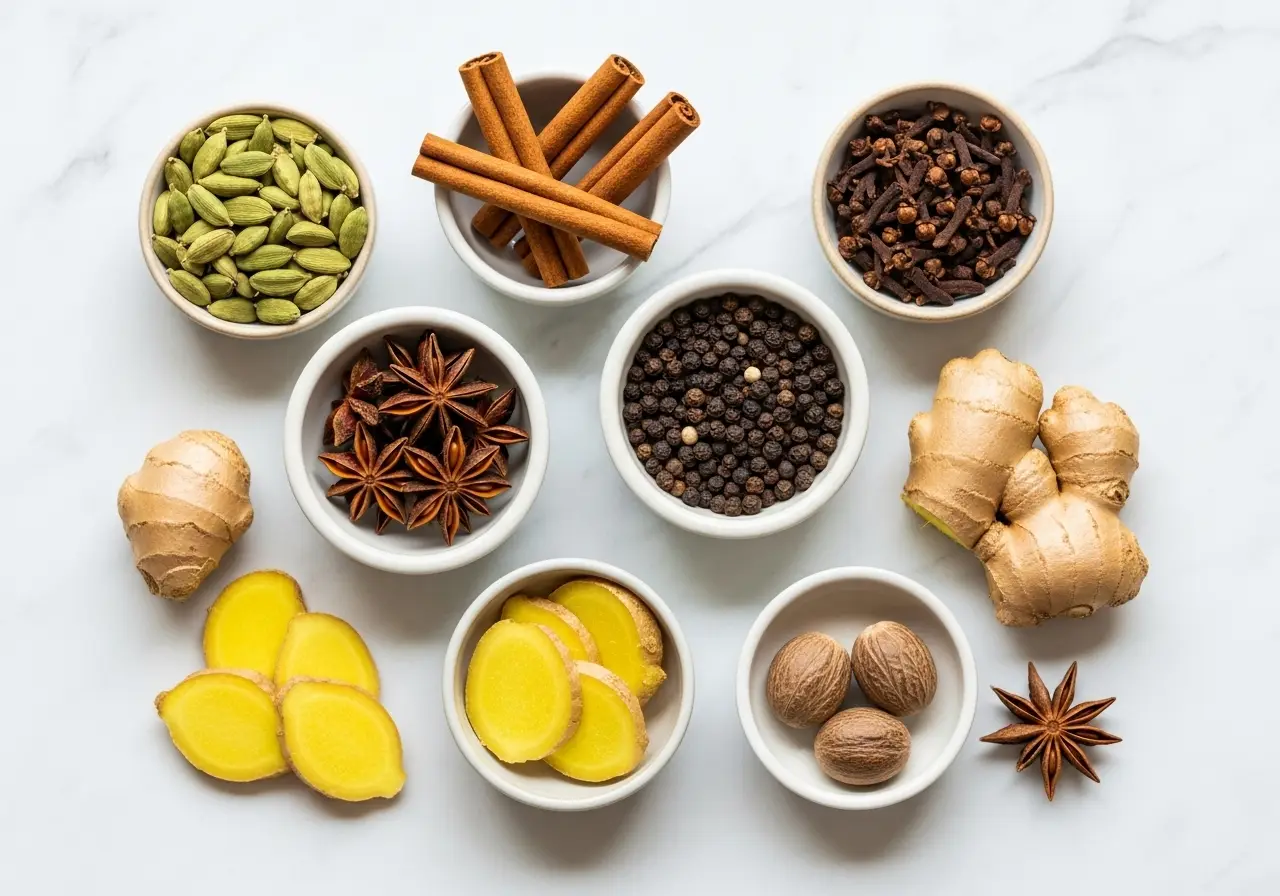
Most delicate teas would be completely overpowered by traditional chai spices. Assam's robust, malty flavour not only stands up to complex spice blends — it actually enhances them. Its natural astringency balances the warming heat of ginger and black pepper, its malty sweetness complements cinnamon and cardamom, and its high caffeine provides the energy boost chai is famous for.
The Unexpected Origin Story
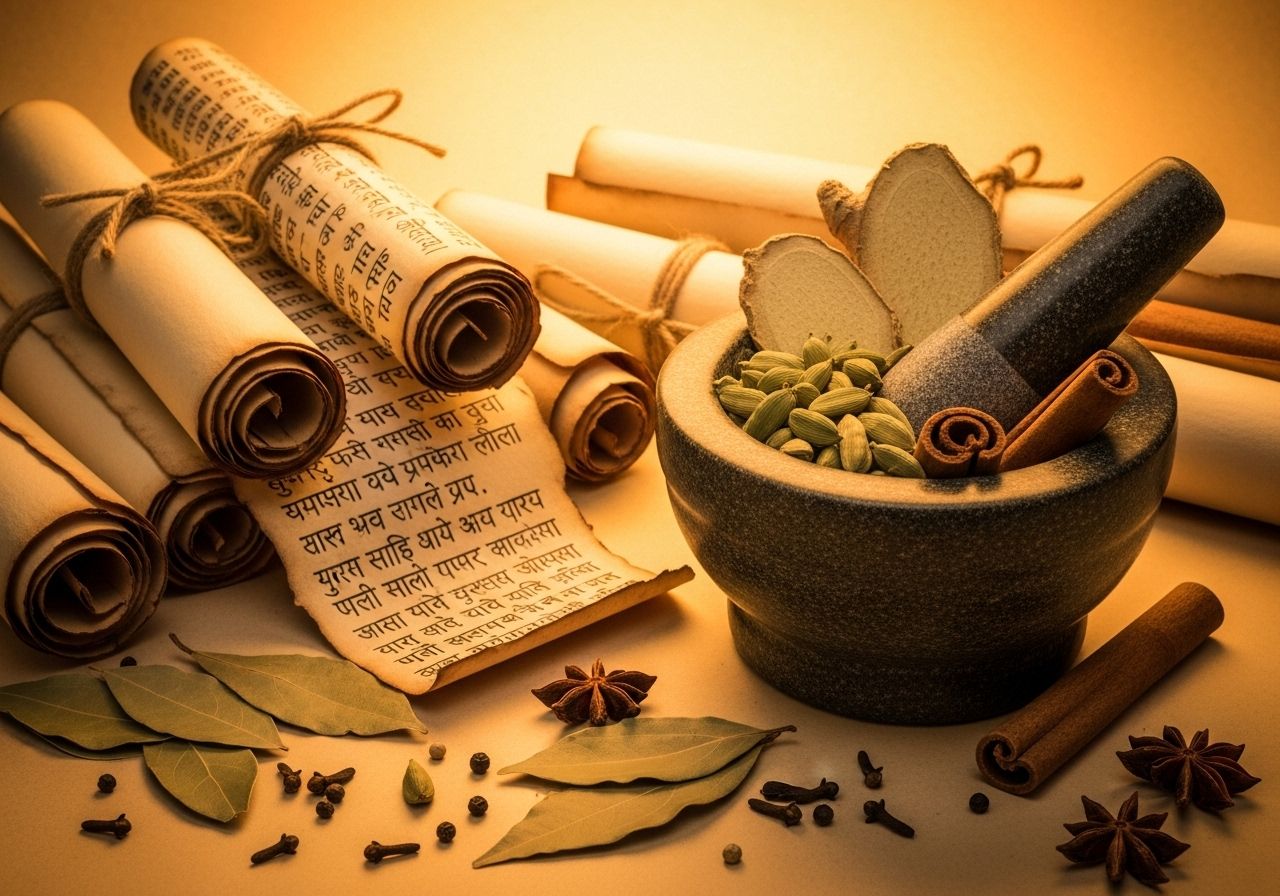
Ironically, Assam tea's prominence in chai began during British colonization. The British East India Company established tea plantations in Assam in the 1830s, but local Indians initially showed little interest in plain black tea. Street vendors began adding their traditional spice mixtures to make the tea more appealing — and masala chai was born.
The CTC Processing Secret
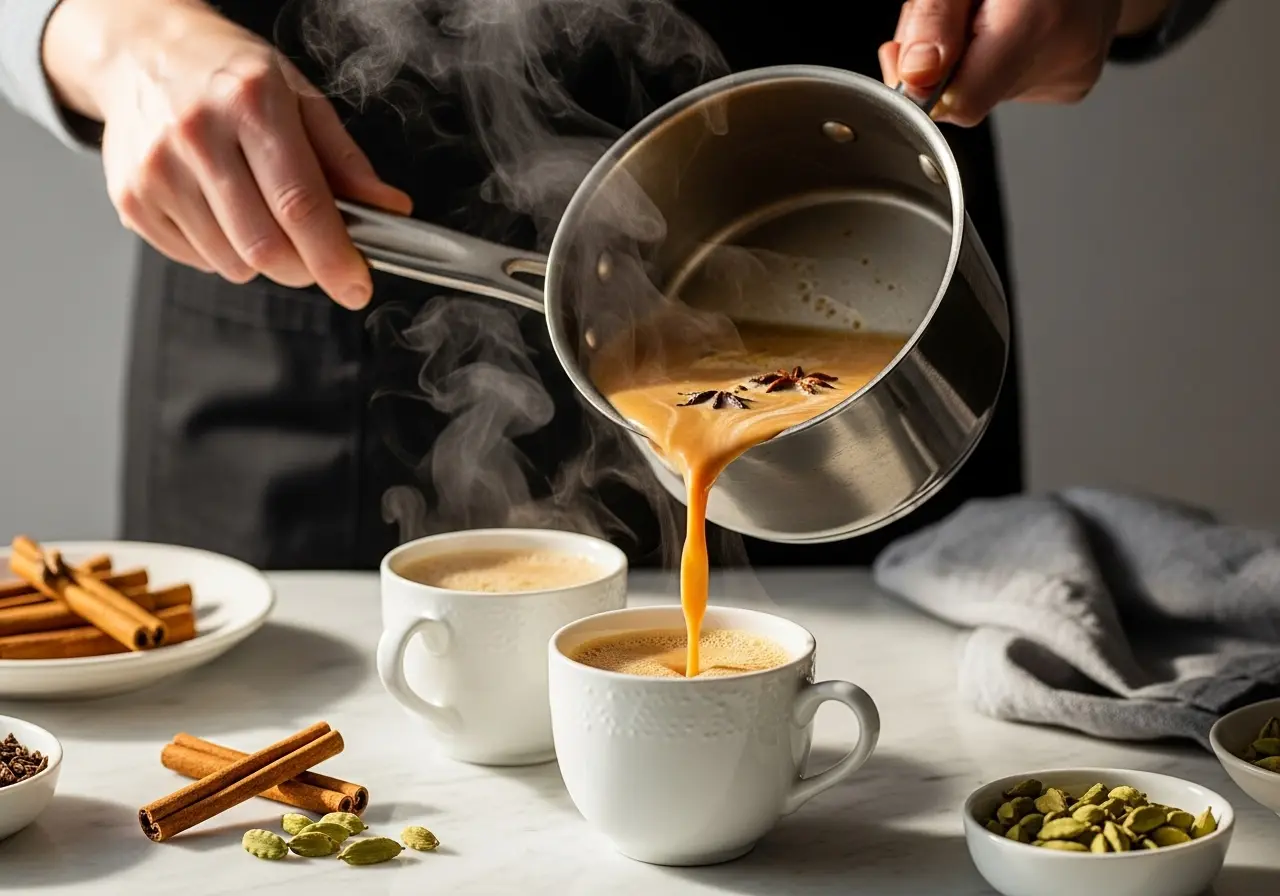
True Assam tea for chai is processed using CTC (Crush, Tear, Curl) — a method that creates smaller tea particles that brew stronger and faster. This is essential for the traditional method of boiling tea with milk and spices. Whole leaf tea is too delicate for this process.
The Modern Standard
Today, the best chai blends still use Assam as their base, though quality varies widely. Premium Assam is harvested during the second flush (May–June) from specific estates in the Brahmaputra valley, and has complex flavour layers: malty, brisk, and slightly astringent — the perfect foundation for authentic masala chai. Learn what else separates quality from generic in our guide to what to look for in the best masala chai brand.
Frequently Asked Questions
Why can't I use Earl Grey or other teas for chai?
Earl Grey and delicate teas are overpowered by chai spices. Assam's robust, malty flavour is specifically well-suited to complement and enhance traditional spice blends, not compete with them.
What is the difference between CTC and whole leaf Assam?
CTC (Crush, Tear, Curl) processing creates smaller tea particles that brew stronger and faster — perfect for the traditional boiling method used in chai. Whole leaf is too delicate for this process.
How can I tell if my chai has quality Assam tea?
Look for bold, malty flavour that stands up to spices, rich amber colour when brewed, and a slightly astringent finish that balances sweetness. Quality Assam won't be overpowered by traditional spice blends.