What Is Chai Tea?
"Chai" simply means "tea" in Hindi and many other South Asian languages. When people in the West say "chai tea," they usually mean masala chai — spiced milk tea made with black tea, warming spices, and milk.
Technically saying "chai tea" is redundant (it means "tea tea"), but it has become the common English shorthand for India's most beloved hot drink.
What Does Chai Taste Like?
Authentic masala chai is warm, spiced, slightly sweet, and creamy. The dominant flavours come from:
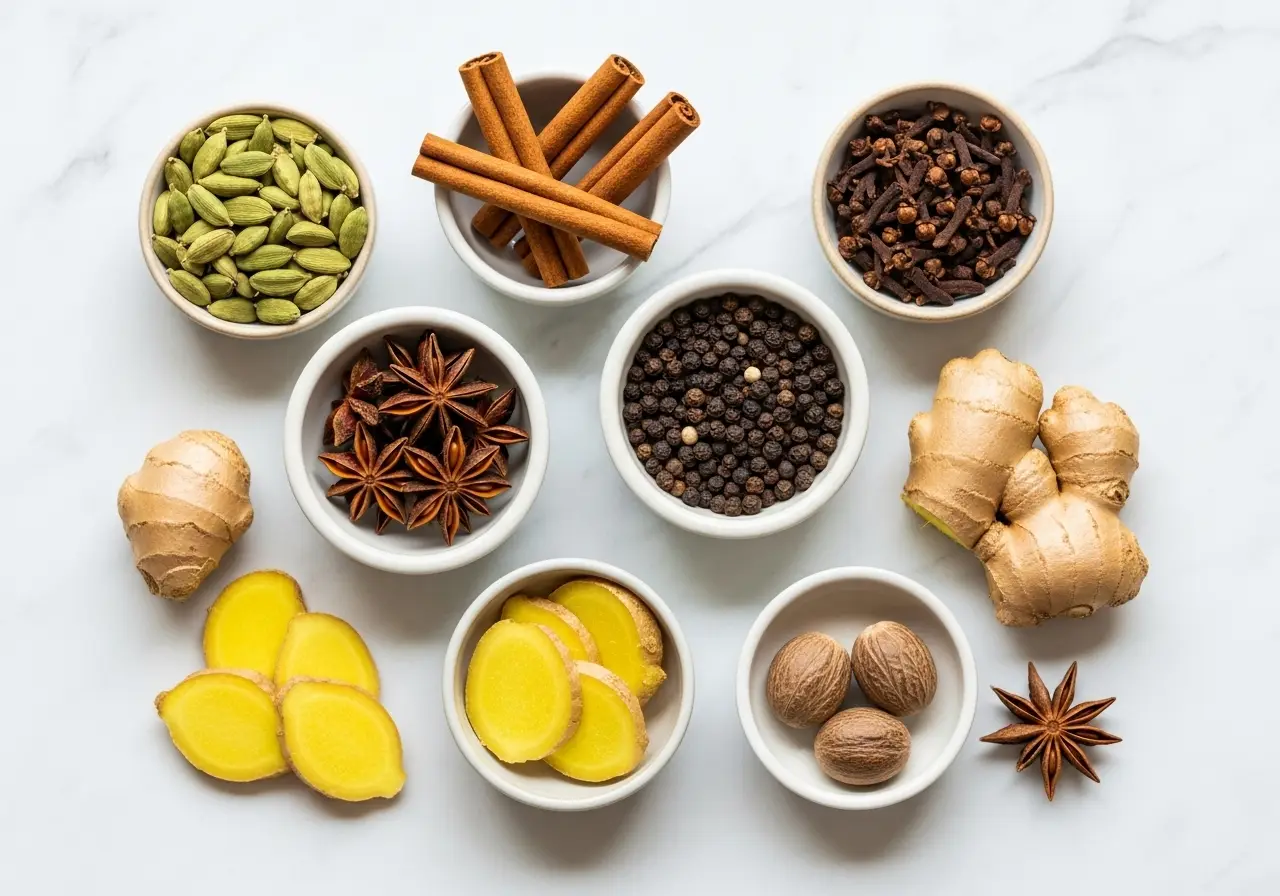
- Cardamom — floral, citrusy sweetness
- Ginger — warmth and mild heat
- Cinnamon — woody sweetness
- Cloves — deep, slightly sharp warmth
- Assam black tea — malty, bold base that holds everything together
The overall impression is warming and comforting — nothing like a plain cup of black tea.
What Is Chai Made From?
Traditional masala chai has four components:
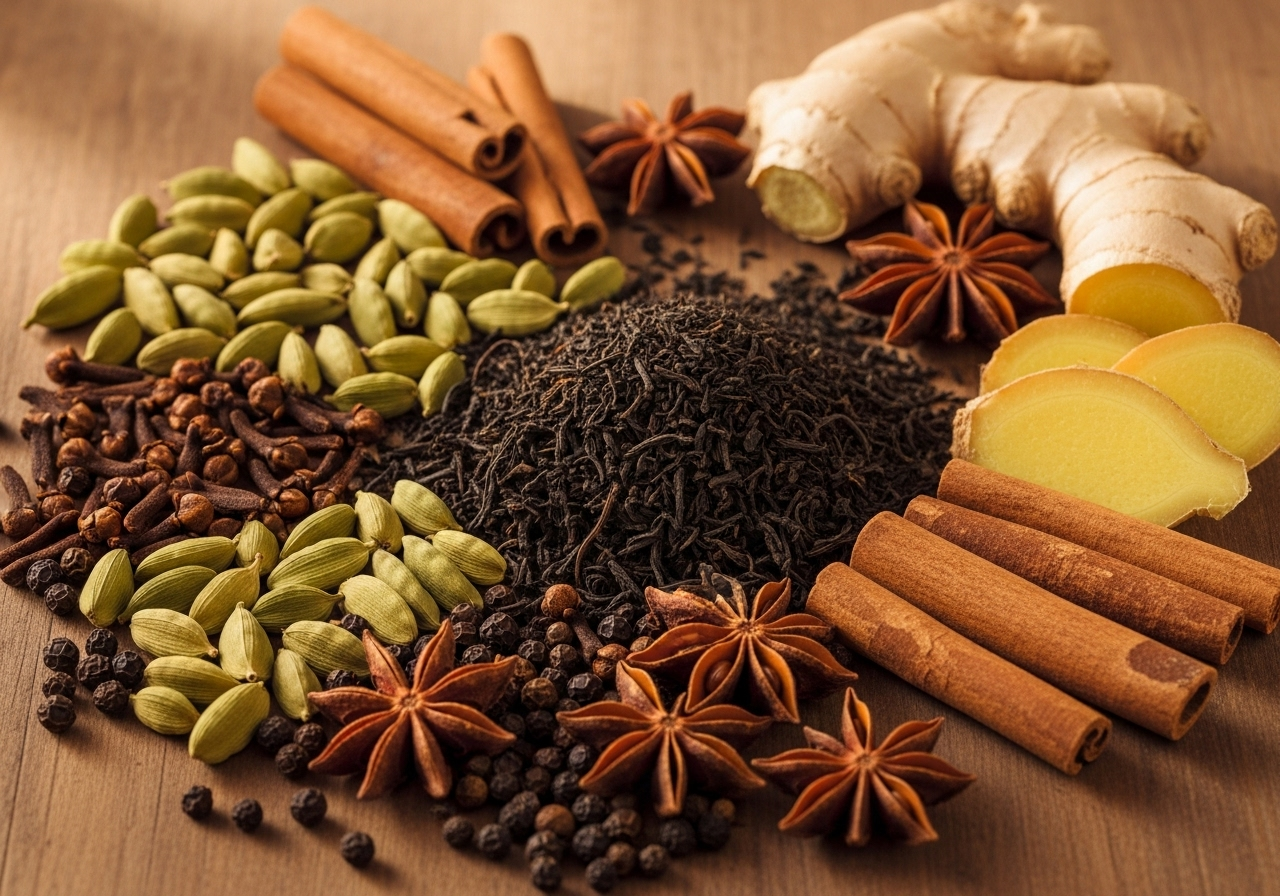
- Black tea — Assam is the most authentic choice, CTC-processed for a bold brew
- Spices — cardamom, ginger, cinnamon, cloves, black pepper, and sometimes star anise and nutmeg
- Milk — dairy or plant-based, always added during brewing (not after)
- Sweetener — sugar, jaggery, or honey to taste
How Is Chai Different from Regular Tea?
Regular tea is brewed in water alone and drunk plain or with milk added after. Masala chai is brewed with milk and water together from the start, and the spices infuse throughout the entire brew. The result is a completely different drink — richer, bolder, and more complex.
Chai vs Chai Latte
A chai latte is a Western adaptation — masala chai concentrate topped with steamed and frothed milk, similar to how a café makes a coffee latte. Traditional masala chai is brewed all together on the stovetop. Both are good; they just have a different texture and intensity.
Where Does Chai Come From?
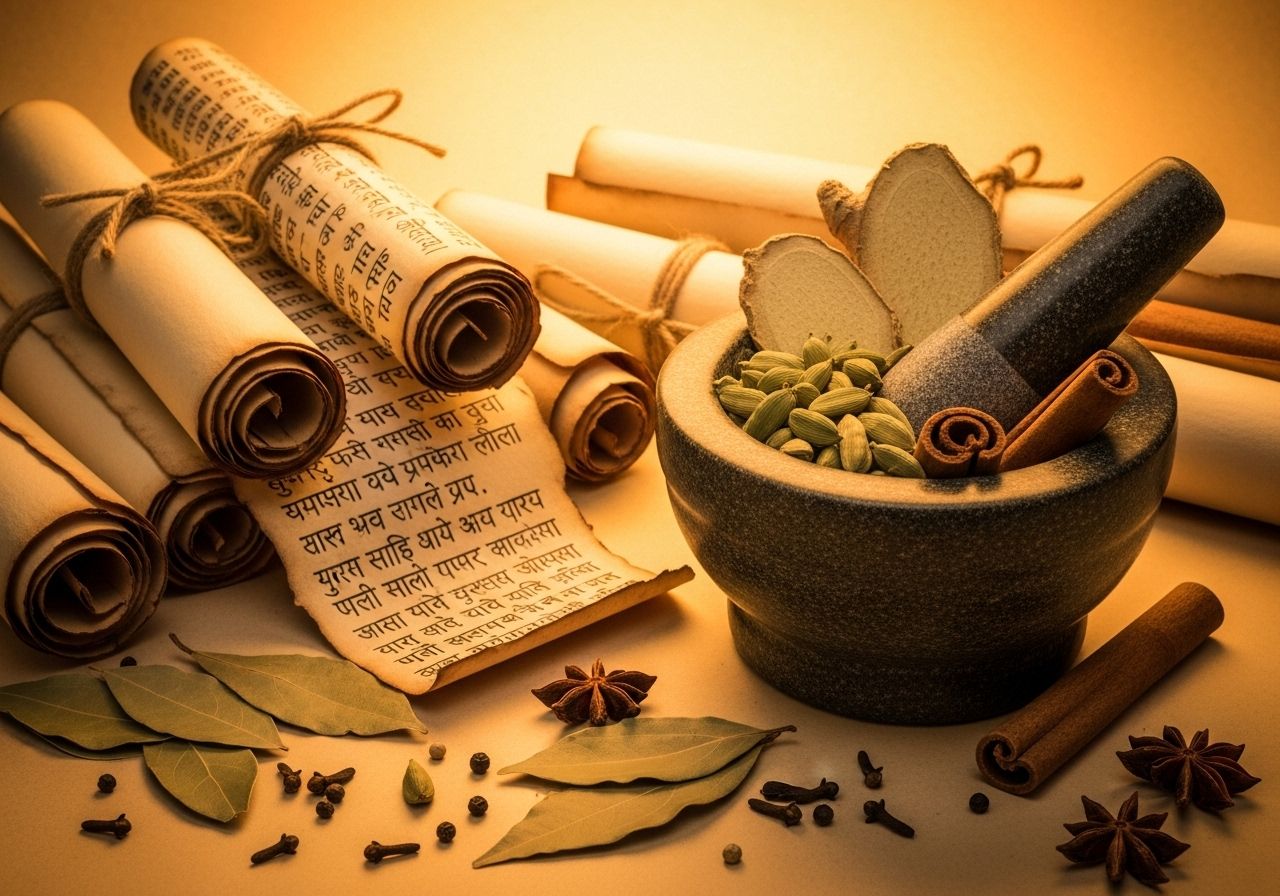
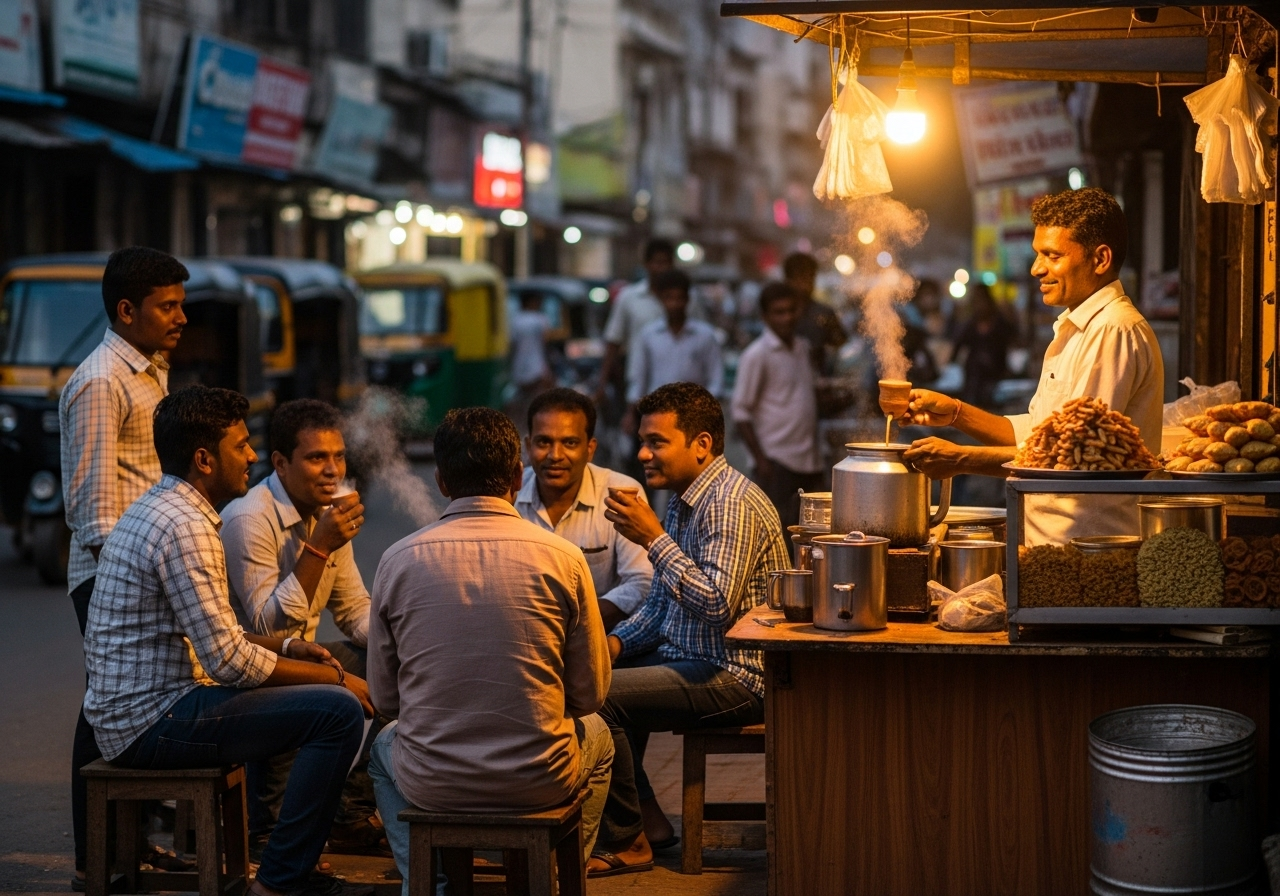
Chai originated in India, where it has been drunk for thousands of years. The spice blends trace back to Ayurvedic medicine — healers used cardamom, ginger, and cinnamon as digestive and warming remedies long before tea leaves entered the picture. When British colonisers brought Assam black tea to India in the 1800s, street vendors combined it with the existing spice tradition — and masala chai as we know it was born. Read the full story in The Ancient Origins of Chai.
Frequently Asked Questions
Is chai tea good for you?
Yes. Masala chai combines antioxidants from black tea with the proven health properties of spices: ginger for digestion, cinnamon for blood sugar balance, cardamom for breath and digestion, and cloves for antimicrobial protection. It is a genuinely functional drink, not just a tasty one.
Does chai tea have caffeine?
Yes. Masala chai made with Assam black tea contains 50–70mg of caffeine per cup — roughly half a coffee. The milk slows caffeine absorption, which is why chai tends to give a gentler, more sustained energy lift.
What is the difference between chai and herbal tea?
Chai uses real black tea (Camellia sinensis), which contains caffeine. Herbal teas are made from herbs, flowers, or spices with no actual tea leaf — so they are naturally caffeine-free. Some "chai-spiced herbal teas" use the chai spices without black tea, but these are not traditional masala chai.